Mastering the Layering System
Vikram Singh
Xplore The Dreams Editorial
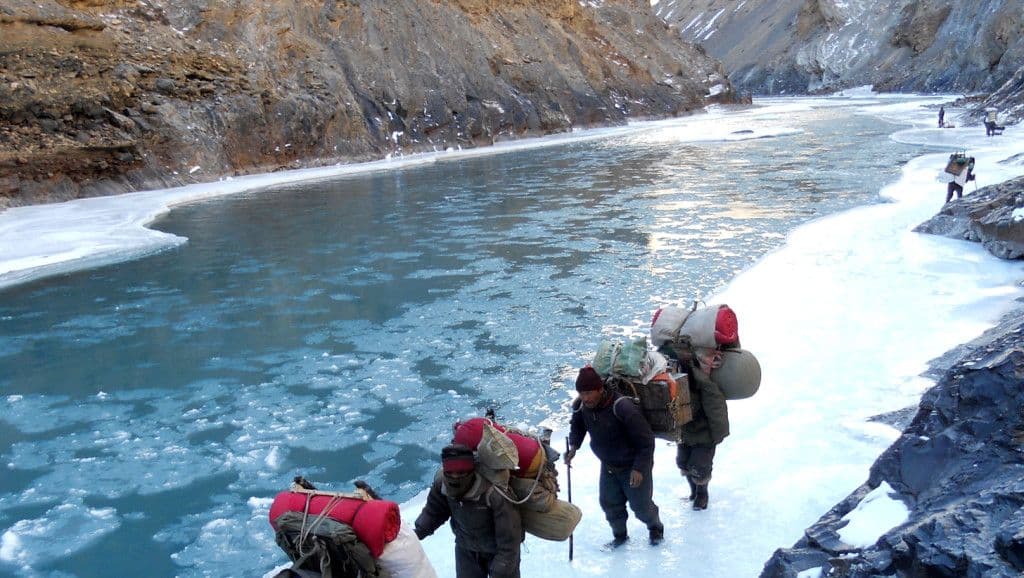
A comprehensive guide to staying warm, dry, and comfortable in unpredictable mountain weather through the science of layering.
The weather in the Himalayas is notoriously fickle. You can start your morning in freezing temperatures, sweat under a scorching midday sun, and be caught in a violent snowstorm by afternoon. The secret to managing these extremes is the layering system.
The system consists of three main components: the base layer, the mid-layer, and the outer shell. Each has a specific and crucial function.
The Base Layer (Moisture Management): This layer sits directly against your skin. Its primary job is not to warm you, but to wick sweat away. Moisture is your worst enemy in the cold; if your sweat cools against your skin, you will freeze. Opt for merino wool or synthetic fabrics. Never wear cotton.
The Mid-Layer (Insulation): This is your warmth layer. It works by trapping the heat your body generates in small air pockets. Fleece jackets and down sweaters are the gold standard here. The beauty of the mid-layer is its modularity; you can wear multiple thin mid-layers and shed them as you heat up.
The Outer Shell (Weather Protection): This layer must be windproof and waterproof, yet breathable. It protects you from rain, snow, and biting winds that can strip away your body heat in seconds. A high-quality Gore-Tex jacket is an investment that can literally save your life.
By mastering these three layers, you create a personalized micro-climate that you can adjust on the fly, ensuring comfort regardless of what the mountain throws at you.
End of article.