Leave No Trace: The Himalayan Context
EcoTrek Initiative
Xplore The Dreams Editorial
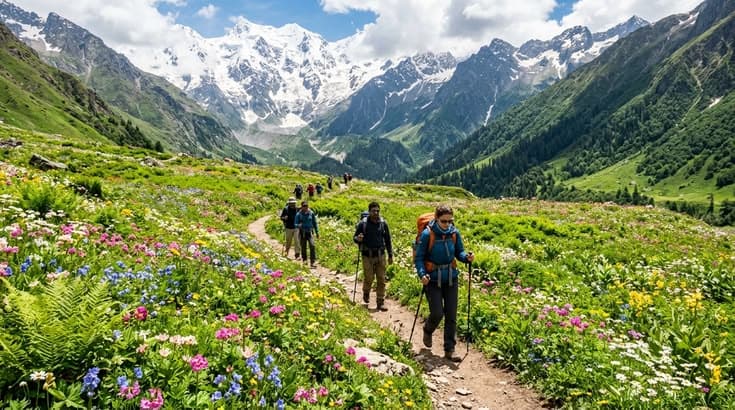
With increasing footfall on popular trails, preserving the fragile high-altitude ecosystem is no longer optional; it is our collective duty.
The Himalayas are vast, giving the illusion of invulnerability. However, the high-altitude ecosystem is incredibly fragile. Soil formation takes centuries, and vegetation grows at a glacial pace. A single piece of litter can persist for decades, and a trampled alpine meadow might not recover in our lifetime.
The core principle of Leave No Trace (LNT) is simple: leave the place exactly as you found it, or better. But applying this in the Himalayas requires specific knowledge.
Waste Management: In sub-zero temperatures, human waste does not decompose quickly. We must adopt the practice of carrying out solid waste using specialized bags (like WAG bags) or utilizing deep, properly managed cat holes far away from water sources.
Campfire Etiquette: The tree line in the Himalayas is relatively low. Harvesting dead wood for campfires in alpine zones deprives the soil of necessary nutrients. We must rely entirely on camping stoves for cooking and warmth, completely eliminating the romantic but destructive notion of the mountain campfire.
Respecting Local Culture: LNT isn't just about the environment; it's about the people. Respecting local customs, avoiding the distribution of sweets/plastic to children, and supporting the local economy sustainably are crucial pillars of responsible trekking.
End of article.