The Art of Acclimatization
Dr. Rohan Sharma
Xplore The Dreams Editorial
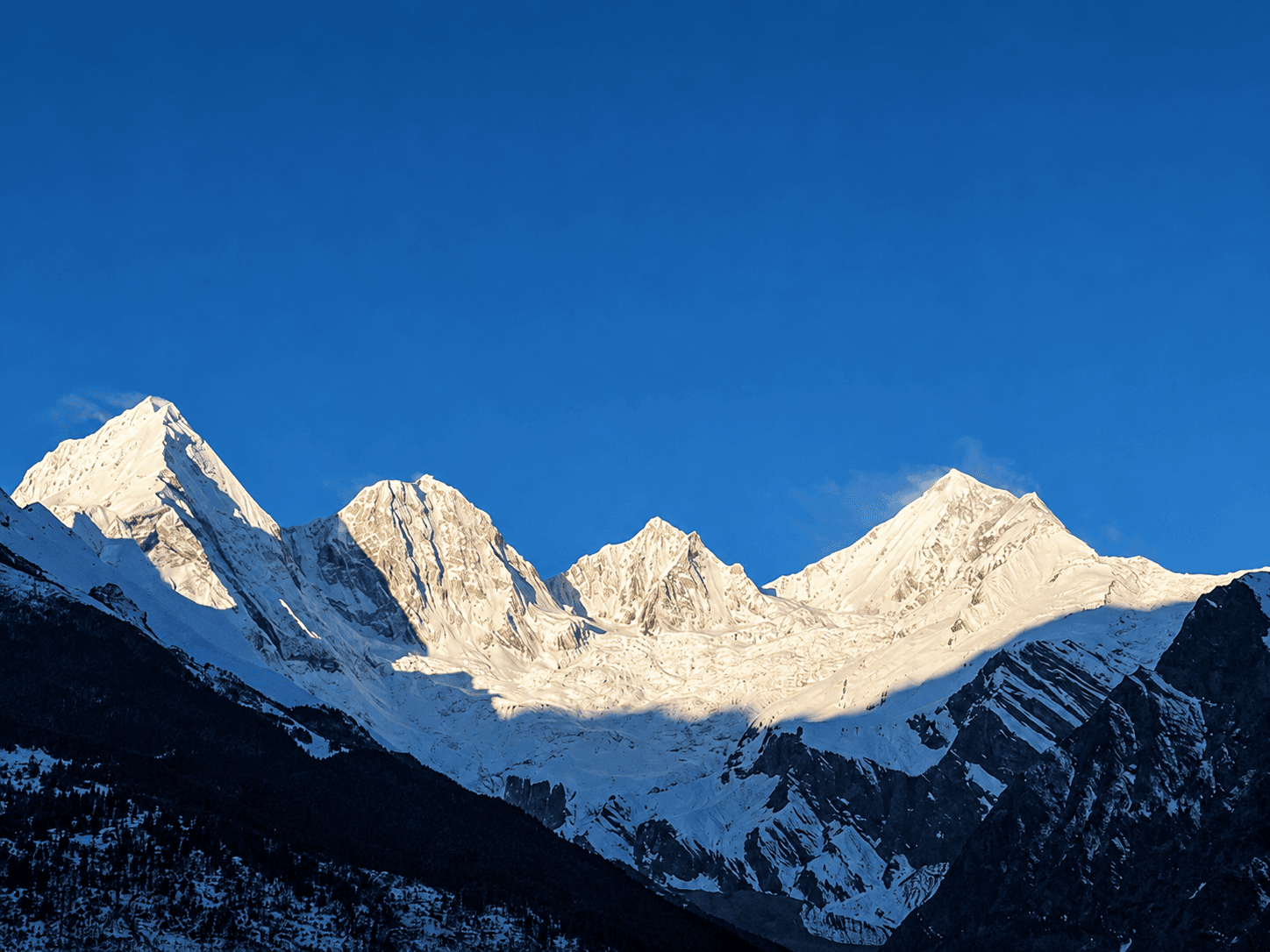
Understanding how your body adapts to high altitudes is the first step towards a successful and safe Himalayan expedition.
High altitude trekking is as much a mental game as it is a physical one. However, the most critical factor that determines the success of your expedition is often something entirely out of your conscious control: acclimatization.
When you ascend above 8,000 feet, the barometric pressure drops, and with it, the number of oxygen molecules in the air you breathe. Your body immediately begins to compensate. Your heart rate increases, your breathing deepens, and over a few days, your kidneys secrete a hormone called erythropoietin, which stimulates the production of more red blood cells.
The golden rule of acclimatization is "Climb High, Sleep Low." This means during the day, you push your body to higher elevations to trigger these physiological changes, but you return to a lower altitude to sleep, allowing your body to recover and consolidate its adaptations.
Never ignore the symptoms of Acute Mountain Sickness (AMS). A mild headache, nausea, or dizziness are your body's early warning system. Pushing through these symptoms is not a sign of strength; it is a recipe for disaster. The only cure for severe AMS is immediate descent.
By understanding and respecting the process of acclimatization, you transform the high mountains from a hostile environment into a challenging but welcoming playground.
End of article.